Subtopic Compendium 04
Alpine Winter Sanctuaries: Zermatt and Valais Hamlets
When dense low-pressure fog carpets the central European lowlands, the high valleys of the Swiss Alps bask in brilliant high-altitude sunlight and pristine powder snow.
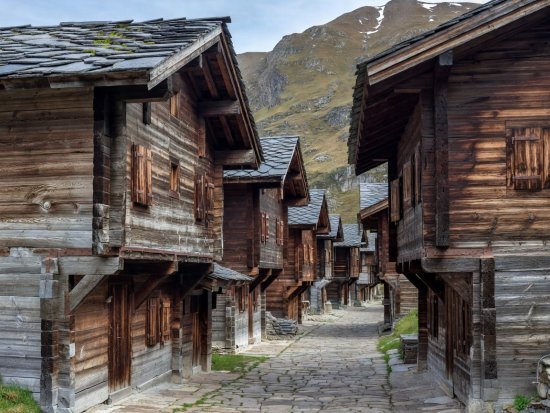
In villages like Zermatt, Saas-Fee, and Wengen, strict bans on internal combustion engine automobiles have preserved an architectural integrity rarely encountered in the modern world. Here, midwinter life proceeds at the rhythm of cogwheel railways, pine woodstoves, and ancient dairy conservation practices.
Culinary Isolation
Alpine Thermal Cuisine: Raclette and Fondue
Winter cuisine in the high Alps was forged by geographic isolation. When mountain passes froze shut for six months, mountain families relied on stored dry beef, pickled vegetables, and wheels of raw milk cheese crafted during high summer pasturing.
Valais Raclette AOP
Real Valais raclette is never melted in small electric non-stick trays. Traditionally, a half wheel of raw cow's milk cheese is positioned beside an open wood fire or under a radiant gas element. As the face of the cheese bubbles and toasts, the chef scrapes it directly onto warm boiled potatoes (Gschwellti), accompanied by pickled gherkins and silverskin onions.
Moitié-Moitié Fondue
Originating in the neighboring canton of Fribourg, the classic moitié-moitié blend combines equal parts aged Gruyère AOP and Vacherin Fribourgeois AOP. Melted in a heavy earthenware caquelon with dry white wine, garlic, and kirsch, it provides steady calories after long treks through sub-zero Alpine air.
Mountain Transit
Cogwheels, Tunnels, and Car-Free Preservation
Accessing Zermatt requires transferring to the Matterhorn Gotthard Bahn at the terminal town of Täsch. Private cars cannot enter the municipality, maintaining an unpolluted mountain atmosphere and peaceful quietude.
The Gornergrat Railway, in operation since 1898, remains Europe’s highest open-air electric cogwheel train. Climbing from Zermatt station (1,620m) to the Gornergrat summit ridge (3,089m), the train negotiates steep mountain inclines while offering views of twenty-nine peaks surpassing four thousand meters.